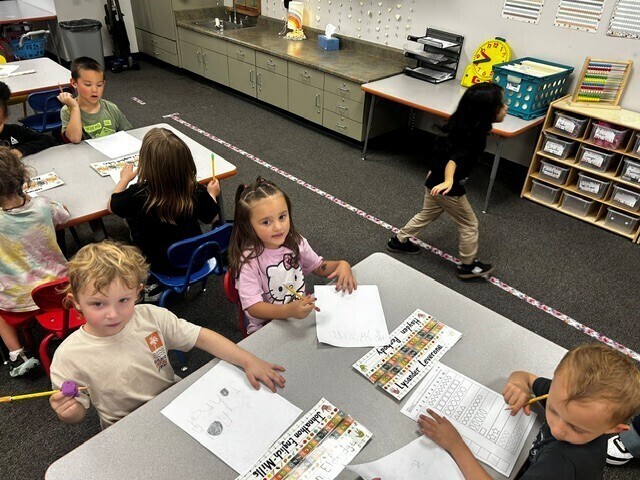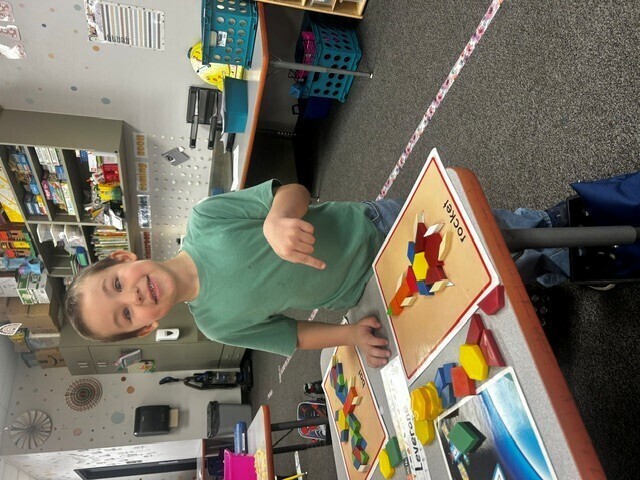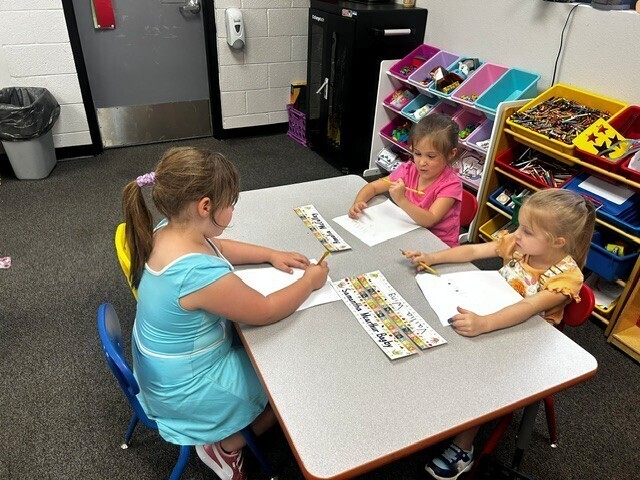
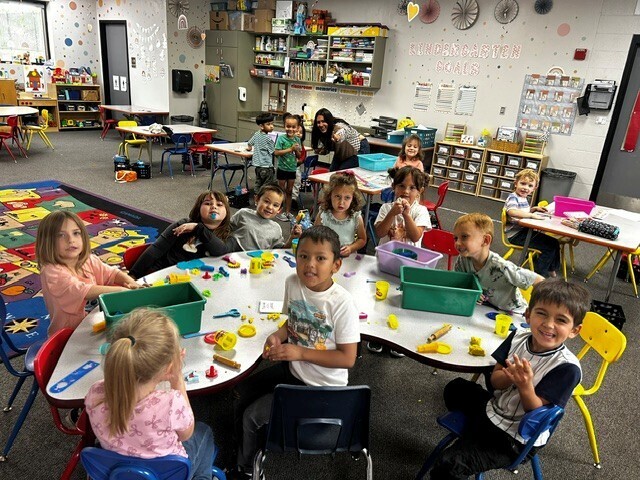
One of the things I have really been focusing on in my kindergarten classroom this year is helping my students become more independent learners. Kindergarten is such an exciting time because our students are learning so many new things, but they are also learning how to be students. They are learning how to follow routines, make choices, solve problems, ask questions, and take responsibility for themselves and their learning.
For me, teaching independence does not mean expecting my students to figure everything out on their own. It means giving them opportunities to try. Sometimes that means allowing them a little extra time to work through something before stepping in to help. Instead of immediately giving them an answer, I might ask, “What do you think you should try?” or “Is there something you already know that could help you?” I want my students to know that they are capable of thinking through problems and finding solutions.
I have noticed that some of the smallest moments in our classroom can become some of the biggest learning opportunities. When a student gets their own materials, cleans up their workspace, follows a classroom routine without a reminder, or figures out how to solve a problem with a friend, they are practicing independence. These may seem like little things, but they are helping build confidence and responsibility.
Another important part of encouraging independence is allowing students to make mistakes. Kindergarteners are still learning, and mistakes are going to happen. I want my students to understand that making a mistake does not mean they cannot do something. It simply means they are still learning. When students are given the opportunity to try again, they begin to see themselves as problem-solvers rather than someone who always needs an adult to fix things for them.
I also want my students to understand that being an independent learner does not mean never asking for help. There are times when we all need help, and learning to recognize when you need assistance is an important skill too. In our classroom, we are working on learning the difference between “I can't do it” and “I can't do it yet.” Sometimes students just need encouragement, another strategy, or a little support before they can continue on their own.
I believe nurturing independence in kindergarten can have an impact that reaches far beyond this school year. The skills students are developing now will continue to grow as they move through elementary school and beyond. They will need to make decisions, manage responsibilities, solve problems, advocate for themselves, and take ownership of their learning. We may be starting with something as simple as putting away our supplies or deciding what to do next, but we are building the foundation for much bigger skills.
One of my favorite things to see is when a student realizes, “I did it!” There is a confidence that comes from figuring something out without having someone do it for you. Those moments remind me why giving children opportunities to be independent is so important.
My goal is for my students to leave kindergarten not only knowing more than they did when they walked through our classroom door, but also believing more in themselves. I want them to see themselves as capable learners who can try, make mistakes, ask for help, try again, and keep growing.
In kindergarten, we are not just learning letters, numbers, and new skills. We are learning how to become learners—and that is something our students will carry with them for years to come.
Fomentando el aprendizaje independiente en nuestro salón de kindergarten
Una de las cosas en las que me he estado enfocando mucho este año en mi salón de kindergarten es ayudar a mis estudiantes a convertirse en aprendices más independientes. Kindergarten es una etapa muy emocionante porque nuestros estudiantes están aprendiendo muchas cosas nuevas, pero también están aprendiendo lo que significa ser un estudiante. Están aprendiendo a seguir rutinas, tomar decisiones, resolver problemas, hacer preguntas y asumir responsabilidad por sí mismos y por su aprendizaje.
Para mí, enseñar independencia no significa esperar que mis estudiantes descubran todo por sí solos. Significa darles oportunidades para intentarlo. A veces esto significa darles un poco más de tiempo para pensar y trabajar en algo antes de intervenir para ayudar. En lugar de darles inmediatamente la respuesta, puedo preguntarles: “¿Qué crees que podrías intentar?” o “¿Hay algo que ya sabes que podría ayudarte?”. Quiero que mis estudiantes sepan que son capaces de pensar en los problemas y encontrar soluciones.
He notado que algunos de los momentos más pequeños en nuestro salón pueden convertirse en grandes oportunidades de aprendizaje. Cuando un estudiante obtiene sus propios materiales, limpia su espacio de trabajo, sigue una rutina sin necesidad de un recordatorio o encuentra una solución a un problema con un compañero, está practicando la independencia. Estas pueden parecer cosas pequeñas, pero están ayudando a desarrollar confianza y responsabilidad.
Otra parte importante de fomentar la independencia es permitir que los estudiantes cometan errores. Los niños de kindergarten todavía están aprendiendo, y los errores son parte natural de ese proceso. Quiero que mis estudiantes entiendan que cometer un error no significa que no puedan hacer algo. Simplemente significa que todavía están aprendiendo. Cuando se les da la oportunidad de volver a intentarlo, comienzan a verse a sí mismos como personas capaces de resolver problemas, en lugar de pensar que siempre necesitan que un adulto resuelva las cosas por ellos.
También quiero que mis estudiantes entiendan que ser un aprendiz independiente no significa nunca pedir ayuda. Hay momentos en los que todos necesitamos ayuda, y aprender a reconocer cuándo necesitamos apoyo también es una habilidad importante. En nuestro salón estamos aprendiendo la diferencia entre “No puedo hacerlo” y “Todavía no puedo hacerlo”. A veces los estudiantes solamente necesitan un poco de ánimo, otra estrategia o algo de apoyo antes de poder continuar por sí mismos.
Creo que fomentar la independencia desde kindergarten puede tener un impacto que va mucho más allá de este año escolar. Las habilidades que nuestros estudiantes están desarrollando ahora continuarán creciendo a medida que avancen en la escuela primaria y más adelante. Necesitarán tomar decisiones, manejar responsabilidades, resolver problemas, expresarse y defender sus propias necesidades, y hacerse responsables de su aprendizaje. Tal vez estamos comenzando con algo tan sencillo como guardar nuestros materiales o decidir qué hacer después, pero estamos construyendo la base para habilidades mucho más grandes.
Una de las cosas que más me gusta ver es cuando un estudiante se da cuenta y dice: “¡Yo lo hice!” Hay una confianza especial que nace cuando un niño logra descubrir algo sin que alguien más lo haga por él. Esos momentos me recuerdan por qué es tan importante darles a los niños oportunidades para ser independientes.
Mi meta es que mis estudiantes terminen kindergarten no solamente sabiendo más de lo que sabían cuando entraron por nuestra puerta, sino también creyendo más en sí mismos. Quiero que se vean como aprendices capaces que pueden intentar algo, cometer errores, pedir ayuda, volver a intentarlo y seguir creciendo.
En kindergarten no solo estamos aprendiendo letras, números y nuevas habilidades. También estamos aprendiendo a ser aprendices, y eso es algo que nuestros estudiantes llevarán consigo durante muchos años.