
Hello Families,
We have just finished our unit on Chocolate and are now starting a reading unit on the Greeks.
In this unit, students study three well-known stories centered on key “heroes” from Greek mythology: Prometheus, Odysseus, and Arachne. Drawing on the routines and skills established in previous units, students analyze the characters, actions, and themes of the individual myths and also discuss some of the broader questions and themes raised by these myths, these heroes, and the view of the world they present.
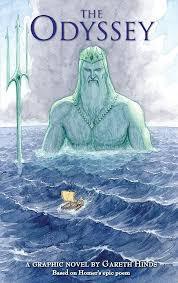
The first myth, “Prometheus,” raises a number of engaging questions about justice, responsibility, and what it means to be human. Students then dive into one of Homer's famous episodes from The Odyssey, which recounts the various adventures of the witty and tricky Odysseus as he makes his journey home from the Trojan War. Odysseus’s actions challenge students to consider how character traits can be both beneficial and harmful, and what constitutes leadership. Then students read “Arachne," a poem by Ted Hughes, which retells Ovid’s famous origin myth. In this sub-unit, students explore the confrontation between the human Arachne and the goddess Minerva. They consider the line between pride and arrogance, as well as what it means to speak truth to power. At the end of the unit, students use their understanding of these myths to write an essay arguing whether these myths suggest that humans are destroyed by their pride.
Here are some conversation starters that you can use during this unit to promote discussion and encourage continued learning with your student:
1. Do you think that Zeus’s punishment of Prometheus was fair? Considering both Prometheus’s and Zeus’s arguments regarding how fire would affect humans, do you think Prometheus should have stolen fire and given it to humans?
2. Greek myths often pushed readers to consider real human issues. What ideas about human character do you think were raised for Greek listeners when they considered the stories of Odysseus and Arachne? Do you believe that people still think about these ideas today?
3. Each of the myths in this unit touches upon the idea of pride. How did pride affect each of the human characters? In what way was it a destructive force? In what way was it a strength?