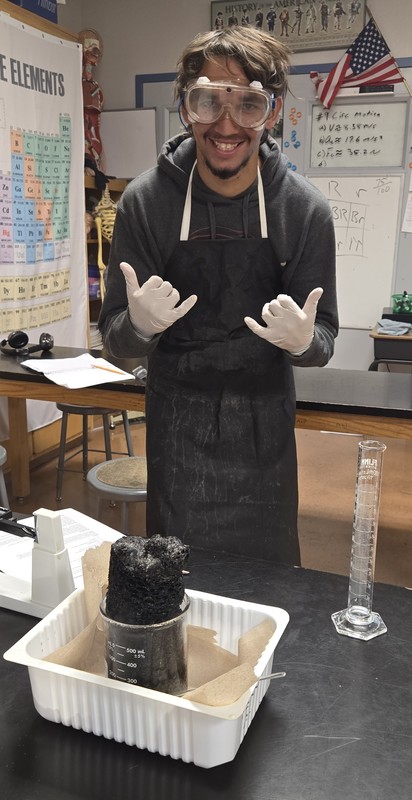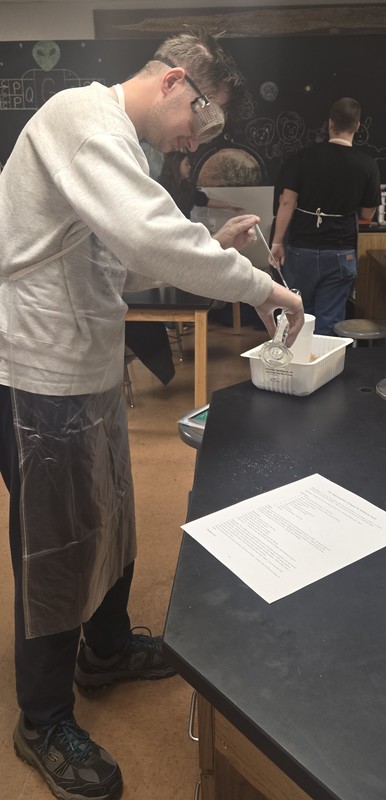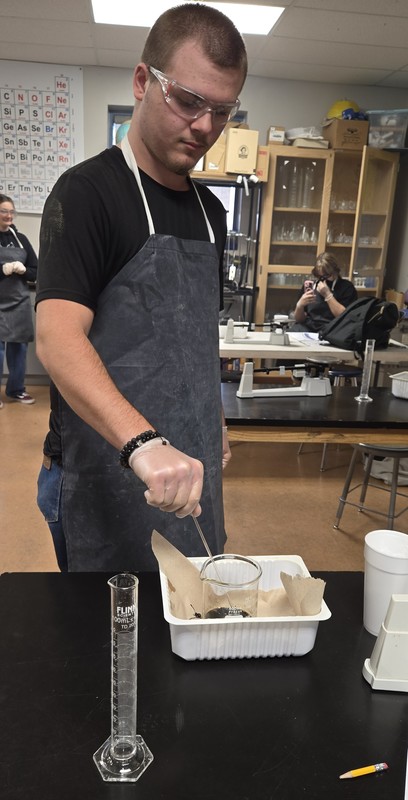
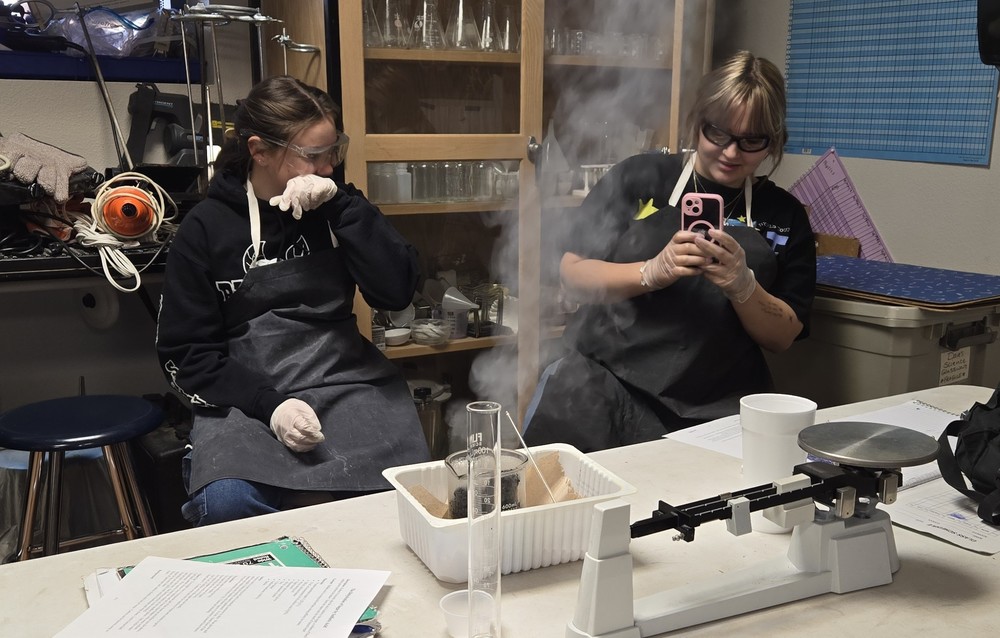
In chemistry class, pouring sulfuric acid onto ordinary table sugar might look like just another dramatic lab demonstration. The white crystals quickly turn black, expand, and form a steaming column of carbon. While it may seem like a flashy experiment designed to grab students’ attention, the dehydration of sugar actually connects to important real-world science and industry.
So what’s happening?
Table sugar (sucrose) is made of carbon, hydrogen, and oxygen. When a strong dehydrating agent like sulfuric acid is added, it removes water (H₂O) from the sugar molecules. What’s left behind is mostly carbon. The rapid removal of water releases heat, causing the mixture to expand into a hot, black column of carbon foam. It’s a powerful visual example of a chemical reaction and a reminder that chemical bonds store energy.
But this reaction is more than just a cool lab moment.
1. Understanding Chemical Reactions and Energy
The dehydration of sugar helps students understand how chemical reactions rearrange atoms and release or absorb energy. This same concept applies to combustion engines, batteries, and even how our bodies break down food for energy. When we eat sugar, our bodies chemically process it in a controlled way to release energy. The lab reaction is faster and more extreme, but it demonstrates the same principle: breaking and forming chemical bonds changes energy.
2. Industrial Applications
Dehydration reactions are widely used in industry. Chemical engineers remove water from substances to produce fuels, plastics, and pharmaceuticals. For example, ethanol can be dehydrated to produce ethylene, which is used to make plastics like polyethylene. Understanding how water can be removed from compounds is essential in large-scale manufacturing processes.
3. Carbon Production and Materials Science
The black column left behind in the sugar reaction is mostly carbon. Carbon materials are incredibly important in the real world. They are used in water filters, batteries, steel production, and even advanced materials like carbon fiber and graphene. While the lab version is simple, it introduces students to the idea that carbon can exist in many useful forms.
4. Safety and Chemical Awareness
This experiment also reinforces the importance of lab safety. Sulfuric acid is highly corrosive, and the reaction produces heat and fumes. Learning how to handle chemicals responsibly prepares students for careers in science, medicine, engineering, and environmental fields.
In the end, the dehydration of sugar is more than a dramatic chemistry demonstration. It connects classroom learning to real-world chemistry, energy production, industrial processes, and materials science. The next time you see sugar turn into a tower of carbon, remember: you’re not just watching a reaction — you’re seeing chemistry that helps power the modern world.